Ceramic Tint vs Regular Window Tint: Which Is Better for Austin Drivers?
If you are comparing ceramic tint vs regular window tint, you want clear answers. You may want less glare, cooler drives, or a fresh look. In Austin, the sun can make daily trips feel hot and harsh. Good window tint can help, but each type works in its own way.
First, this guide shows how these films compare in heat, price, and care. It also covers Texas tint rules, so you can shop with more confidence.
What Is the Difference Between Ceramic Tint and Regular Window Tint?
Regular tint can mean more than one type of film. Basic dyed film cuts glare and adds privacy. In addition, some films use carbon or metal to block more heat.
Ceramic tint uses tiny ceramic particles to help block heat from the sun. It can reduce solar heat without making the glass very dark. However, the result depends on the film you choose.
Both types can give your car a clean look. The best fit comes down to your needs and budget.
Ceramic Tint vs Regular Window Tint for Heat Rejection
Austin summers can be rough on any car. When it sits in the sun, heat builds up fast. Still, tint can slow heat gain, but it cannot keep a parked car cool all day.
Basic dyed tint may cut some heat and glare. Many ceramic films block more of the sun’s infrared heat. As a result, the drive may feel more pleasant.
To compare two films, look for the Total Solar Energy Rejection (TSER) score. It shows how much of the sun’s energy the glass and film reject. A higher score means more heat is blocked in the test.
For a fair view, compare films under the same test rules.
Does Ceramic Tint Offer Better UV Protection?
The sun’s UV rays can harm your car’s seats and dash. They can also reach your skin during a long drive. Many quality films block a high share of UV rays.
For example, both ceramic tint and basic film can offer UV control. Ceramic tint is not always best for UV protection. Check the UV rating for each film, not just its type.
A good film can help slow fading. Still, no tint can block all the risks of sun exposure.
Is Ceramic Window Tint Darker Than Regular Tint?
A dark tint does not always block more heat. Some light ceramic films can reject lots of solar heat. That can help you keep a clear view at the wheel.
The key term here is Visible Light Transmission (VLT). It tells you how much light can pass through your glass. A low VLT means a dark look. In contrast, a high VLT lets in more light.
So, pick a look you like, but keep local tint rules in mind.
Ceramic Tint vs Regular Window Tint: Which Costs More?
Regular dyed tint is often the low-cost choice. It can be a good fit if you want less glare and more privacy.
Ceramic tint tends to cost more. You pay for the film’s added heat control. However, the extra cost may make sense if you drive a lot in Austin.
Before you buy, ask for the film specs and warranty. After all, a good film and a careful install matter more than a fancy label.
How Long Does Ceramic Window Tint Last?
Both film types can last for years. How long they last depends on the brand, sun exposure, and care.
Cheap dyed films may fade or change color with time. Good ceramic films are often made to keep their color longer. Yet no film is free from wear.
Also, ask your shop how to wash the glass after the install. Be sure to check what the warranty will cover.
Is Ceramic Tint Legal in Texas?
Yes. Ceramic tint is legal in Texas when the car meets state rules. Front side windows must let in at least 25% of visible light. This figure counts both the tint and the car’s glass. Front side windows also have a 25% limit on reflectance.
Rear window rules can vary with the car’s side mirrors. The windshield has its own limits.
For example, a film marked 25% VLT may not pass once it’s on the glass. Therefore, ask your installer to check the final VLT.
You can read the Texas DPS window tint rules before you book.
Which Window Tint Is Better for Austin Drivers?
Choosing ceramic tint vs regular window tint comes down to what you value most.
Regular tint may be right for you if you want:
- A lower upfront price
- Less glare and more privacy
- A clean look with a simple upgrade
Ceramic tint may be right for you if you want:
- Better heat control in strong sun
- More comfort on long drives
- Heat control without very dark glass
In short, neither choice is right for every driver. Compare the actual film specs before you decide.
Frequently Asked Questions About Ceramic Window Tint
Is ceramic tint worth the extra cost in Austin?
It can be if heat is your main concern. A good ceramic film may make sunny drives more comfortable. Still, you should review the price and TSER score to see if it fits your needs.
Will ceramic tint keep my parked car cool?
No tint can stop a parked car from heating up. Ceramic tint can slow heat gain while the sun shines. However, it does not replace shade or safe parking habits.
Will ceramic tint affect GPS or cell signals?
Ceramic tint does not rely on metal to block heat. As a result, it is less likely to affect radio or phone signals than some metal films.
Can I use ceramic tint on any car?
Many cars, trucks, and SUVs can use ceramic film. However, the right shade depends on the glass and local law. Ask the shop which films fit your car.
Do I need a pro to install window tint?
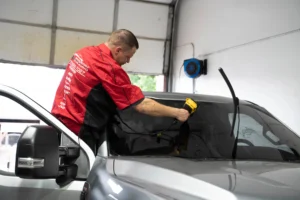
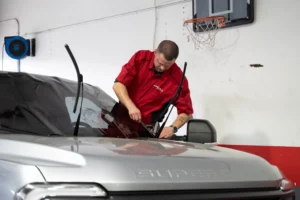
A pro can cut and fit the film with care. This helps avoid dust, bubbles, and loose edges. In addition, a pro can help you pick a legal tint shade.
Professional Window Tint Installation in Austin, TX
At JC’s Window Tint & Car Audio, we help Austin drivers find tint that suits their needs. Our team can explain the choices, answer your questions, and help you plan your next upgrade.
Explore our window tint services in Austin or read more about the benefits of automotive window tint.
Then, contact JC’s Window Tint & Car Audio to ask about film options and get a quote.
JC’s Window Tint & Car Audio
10200 N Lamar Blvd, Suite 202, Austin, TX 78753
Phone: (512) 299-7027